
models
1965 Vespa 90SS and 50SS (V9SS1T and V5SS1T), 50 Sprinter, SR (V5SS2T) and 90 Racer (V9SS2T)
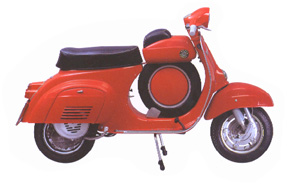
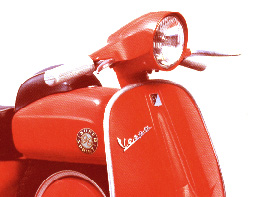
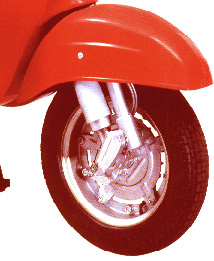
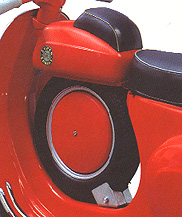
With its cut-down legshields, narrower headset, alloy brake drums, spare wheel and dummy-tank toolbox the Vespa 90 Super Sprint was designed to appeal to the racer. The engine was a more highly tuned (5.87bhp) 90cc 4 speed unit which thanks to its 16mm carburettor and chrome plated "banana" exhaust, could propel the scooter to 93 km/h. 10 inch wheels with aluminium self-venting brake drums also replaced the steel versions of the standard 50 and 90.
The 50cc version was intended for the export markets of Germany, Austria and Switzerland, which had no top speed restrictions for moped (i.e. 50cc) licences. It had a 3.7bhp engine, could also touch 70km/h, and was otherwise identical to the 90SS. The 90SS and Racer were the fastest smallframe Vespas until the ET3 arrived in 1978.
The seat opened backwards, unlike any other smallframe, and was upholstered in dark blue. The pad on the dummy tank had the same fabric. The spare wheel had body colour trims.
In the first series, the spare wheel is fixed with a clamp in the centre of the floorboard. Subsequent models had the wheel located by the floorboard runners, with a clamp inside the dummy tank.
The front fork tube on the SS models is a unique design to allow for the narrower mudguard.
The "Super Sprint" stickers on the dummy tank were originally simple stickers, but from chassis 4545 they changed to plastic emblems and the tanks had depressions in the side to accept them. Front badging was "Vespa" and the rear "S. Sprint" in cast aluminium script. On the 50SS the rear script read "S. Sprint 50".
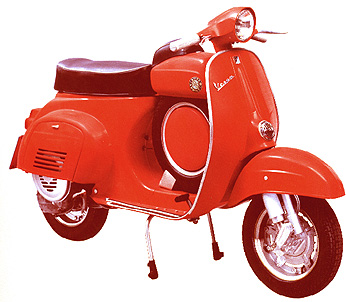
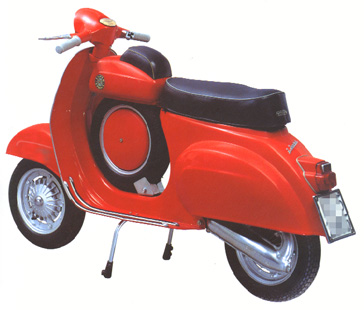
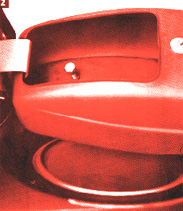
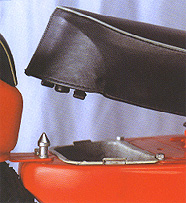
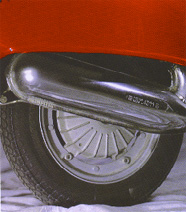
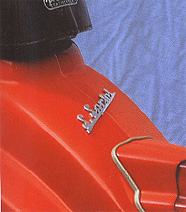
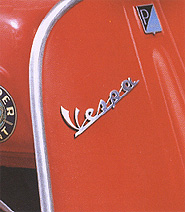
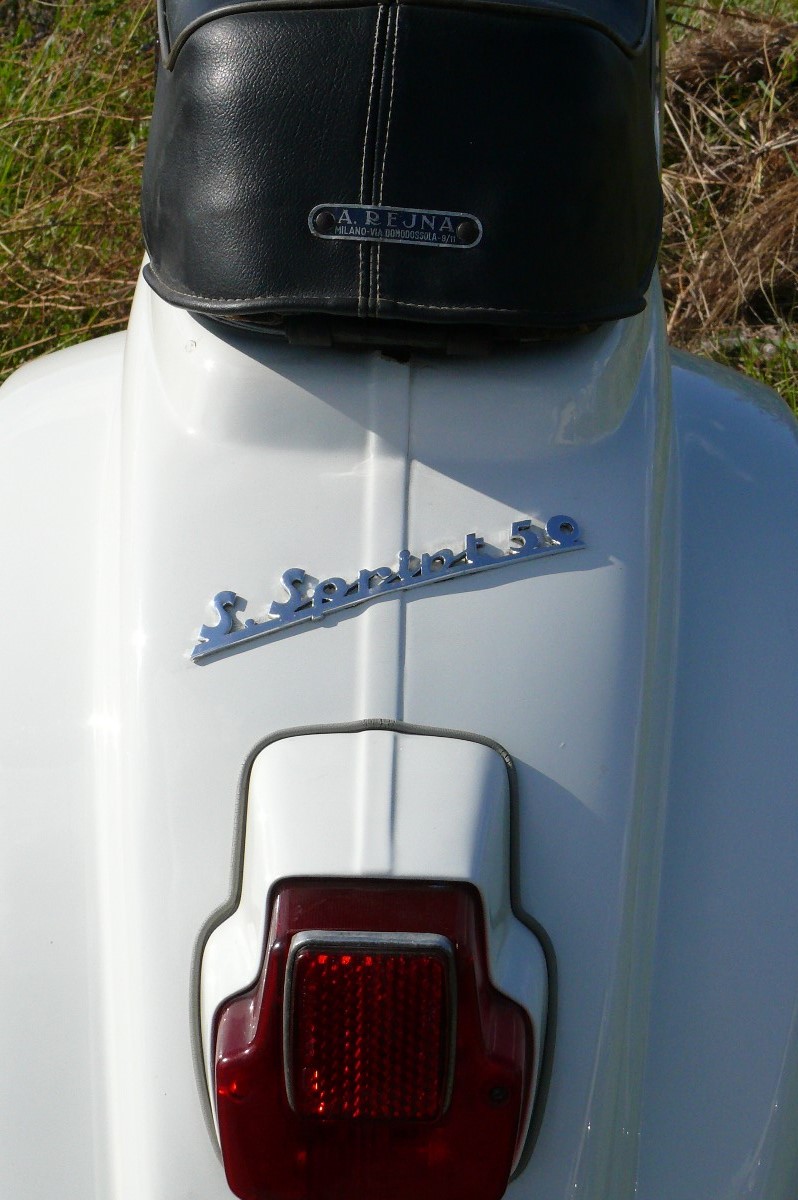
Many of these it seems ended up in Canada and New Zealand (where they were sold without the spare wheel and dummy-tank).
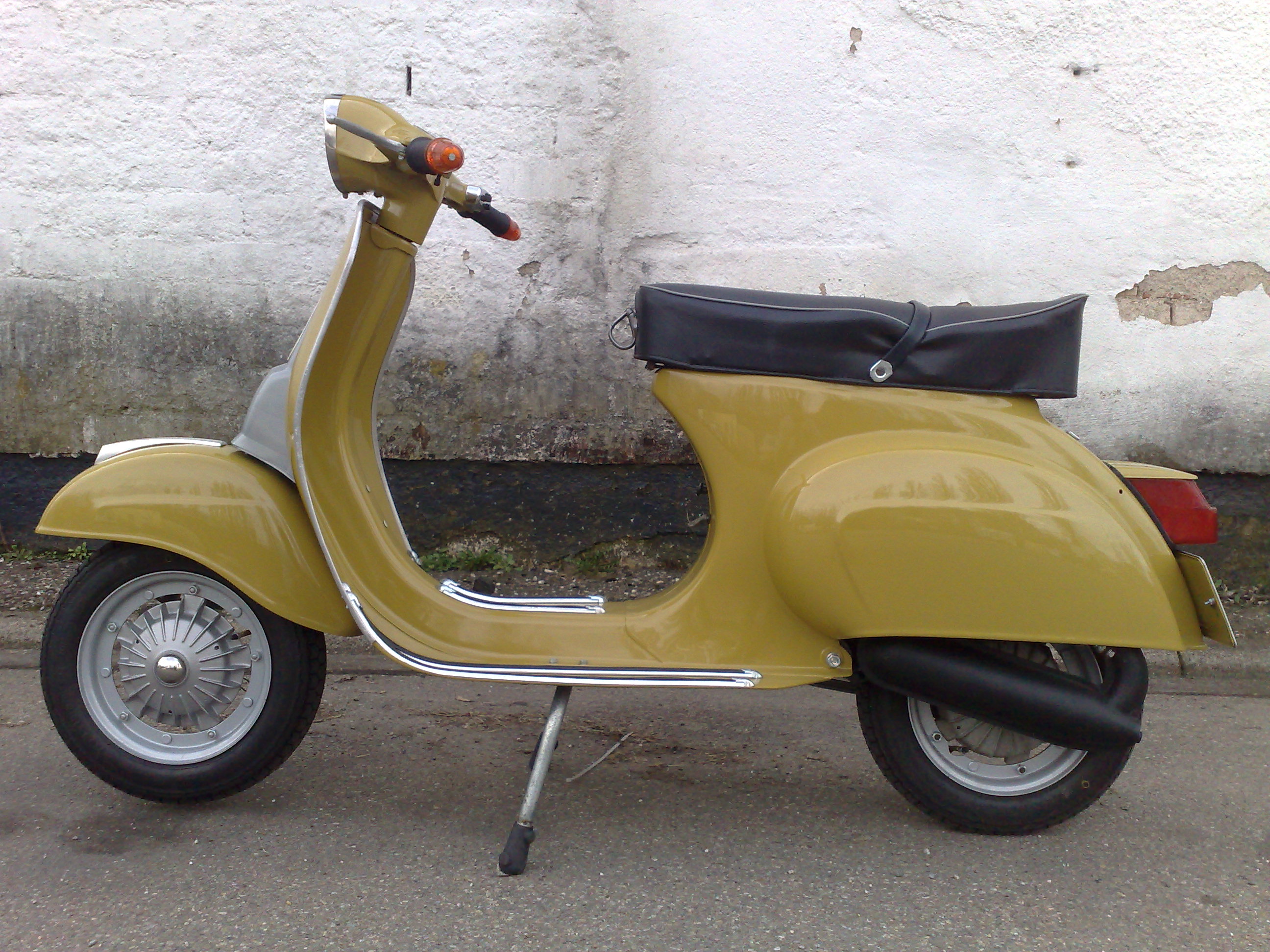
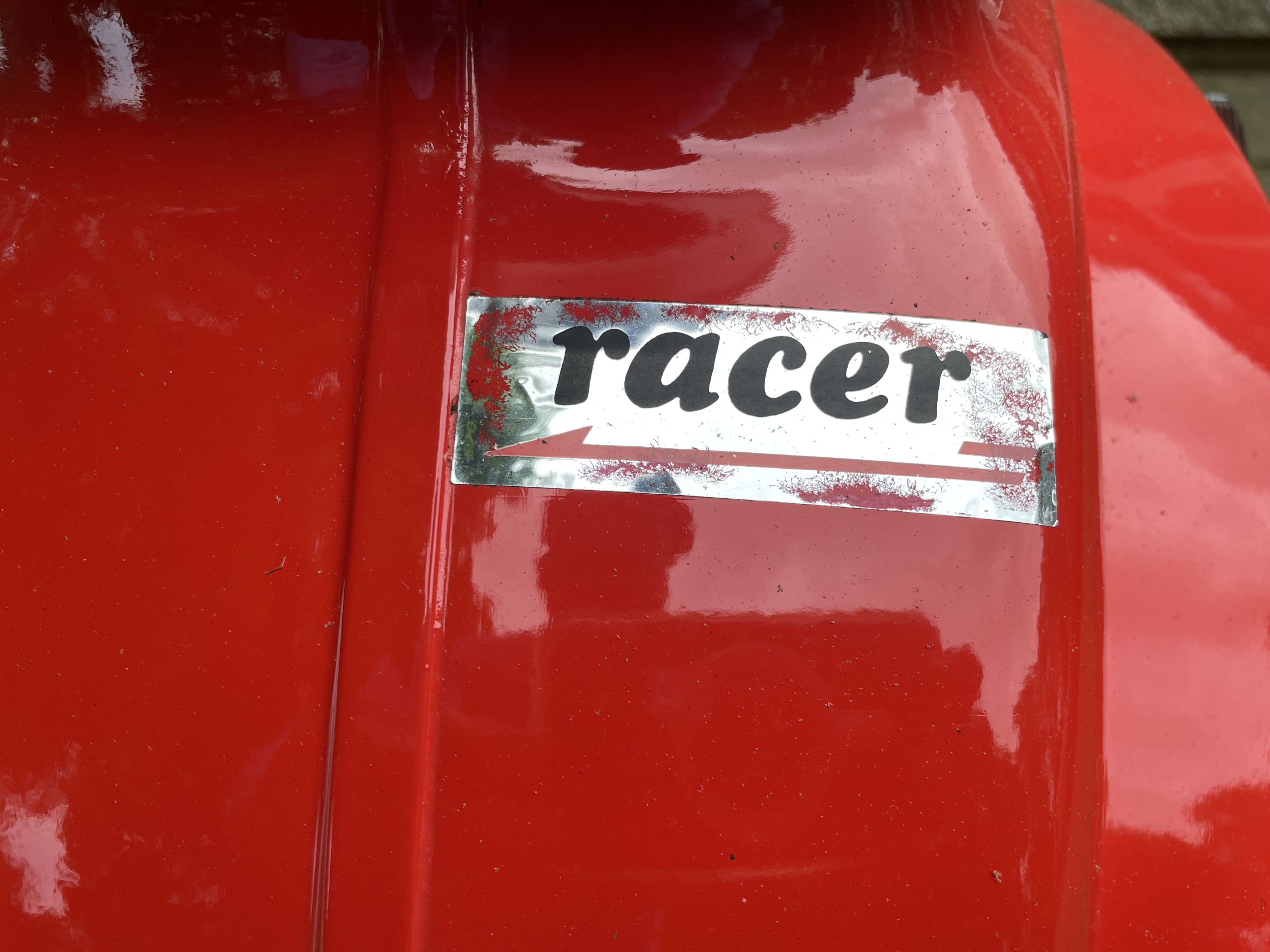
The 50SS was replaced in 1971 with the 50 Sprinter (V5SS2T) and the 90SS was replaced with the 90 Racer (V9SS2T). These used the tuned engines in regular smallframe bodyshells, with black banana exhausts (similar in appearance to the ET3). The 90 Racer had a Primavera headset,whilst the 50 Sprinter had a normal 50 headset, and returned to 4 hole steel wheels. Both had no rear badging save for a rather cheap metallic sticker on the right hand side of the central seam, which read "Sprinter" or "Racer" as appropriate.
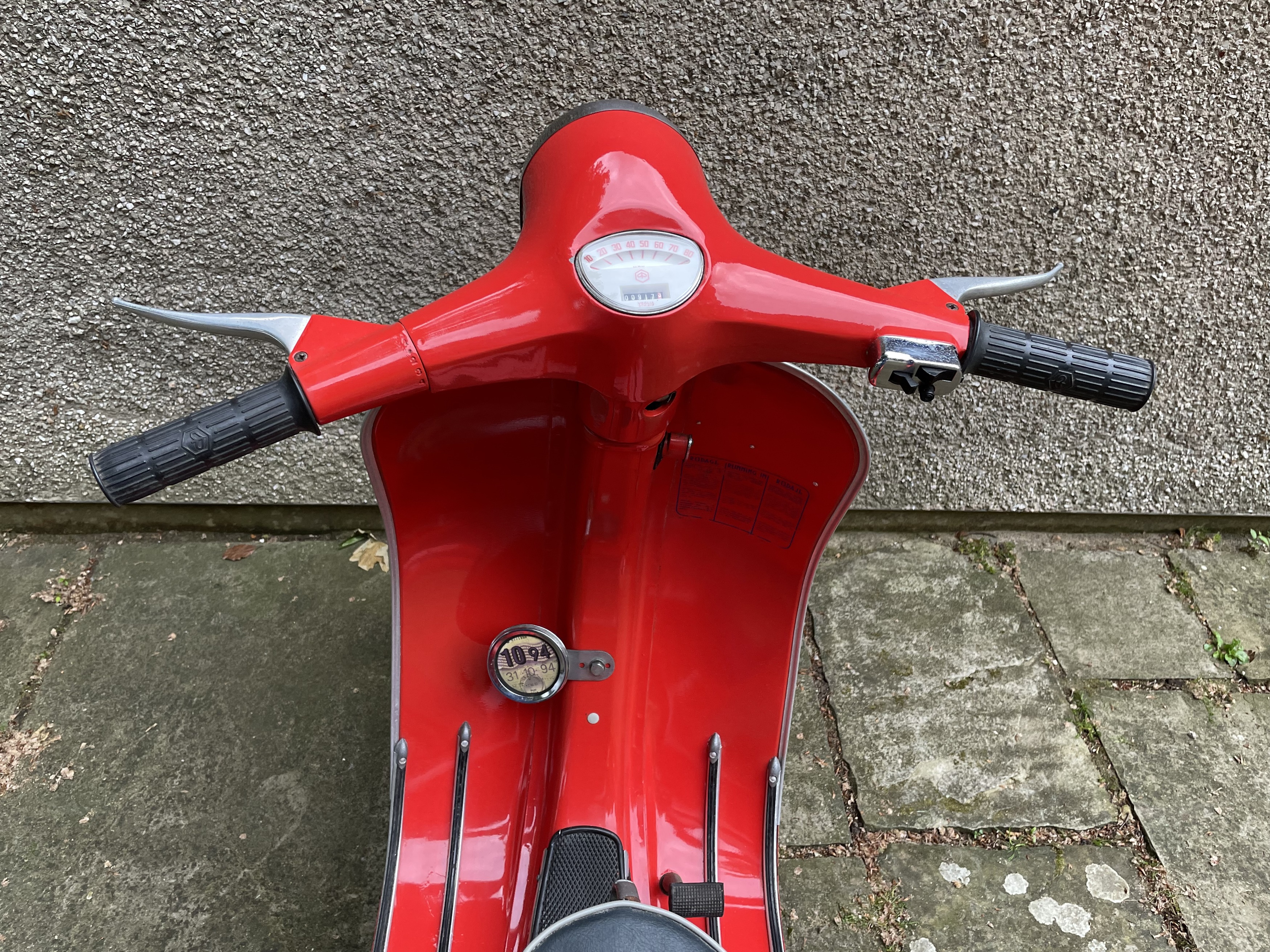
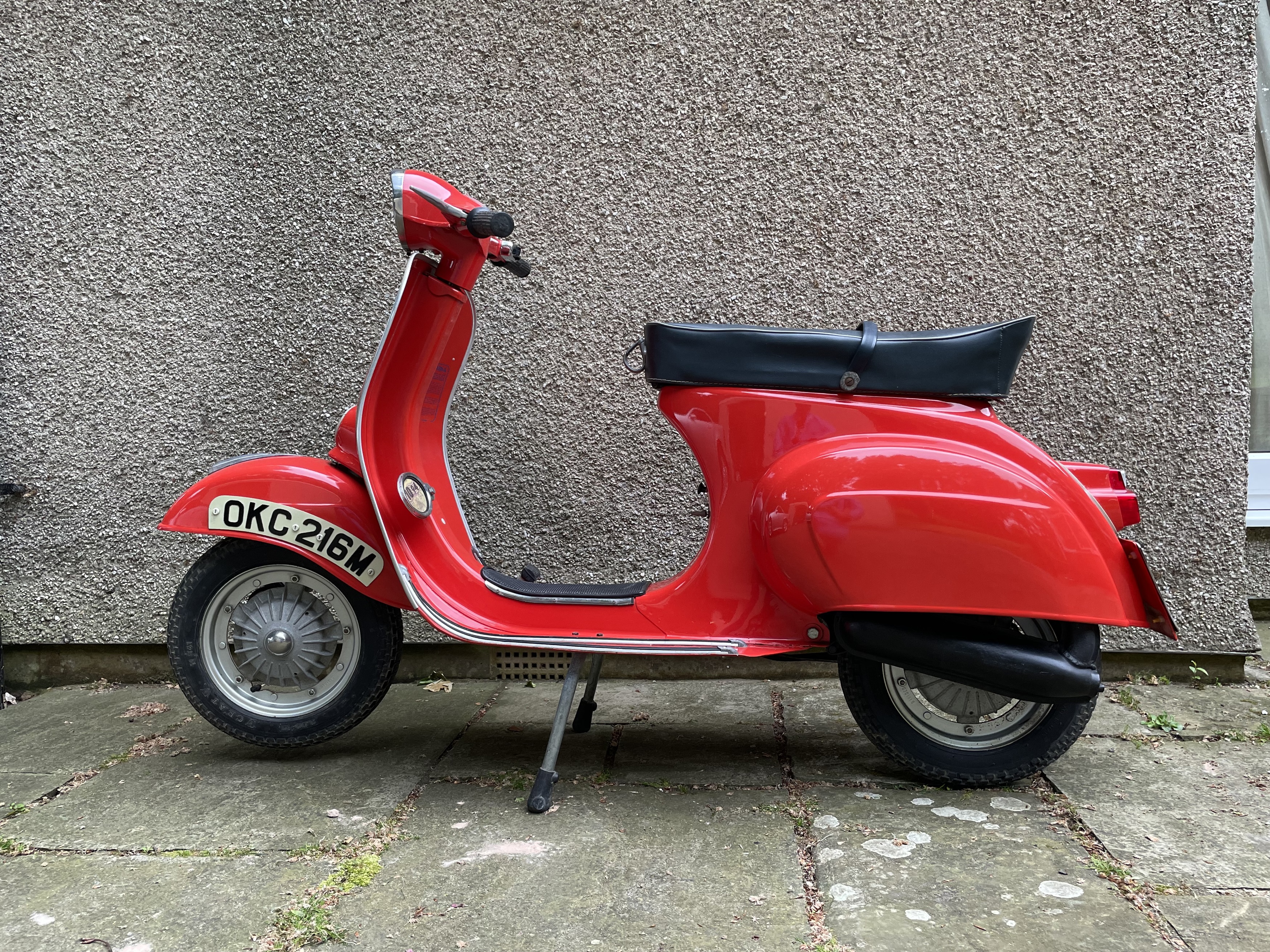
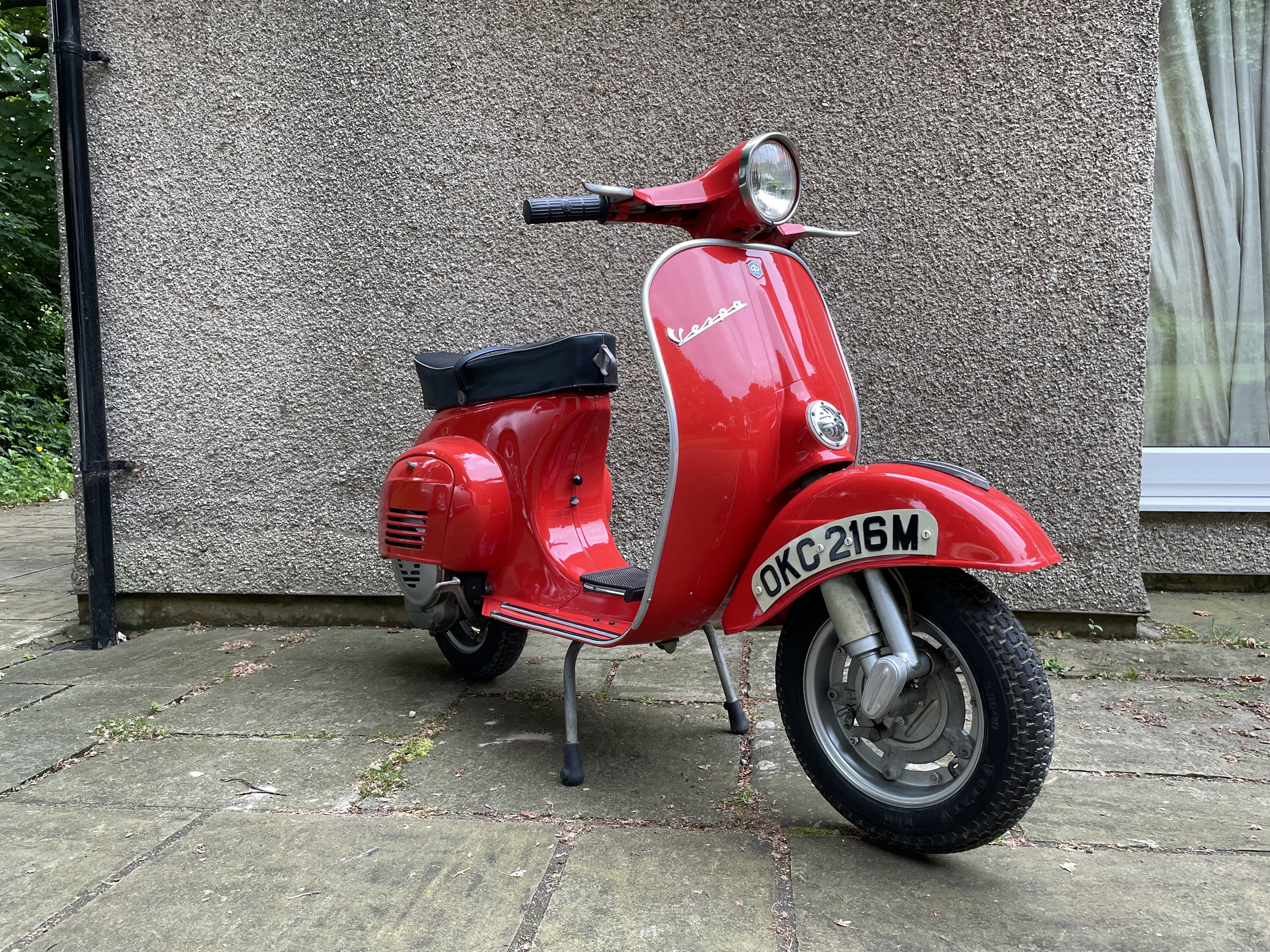
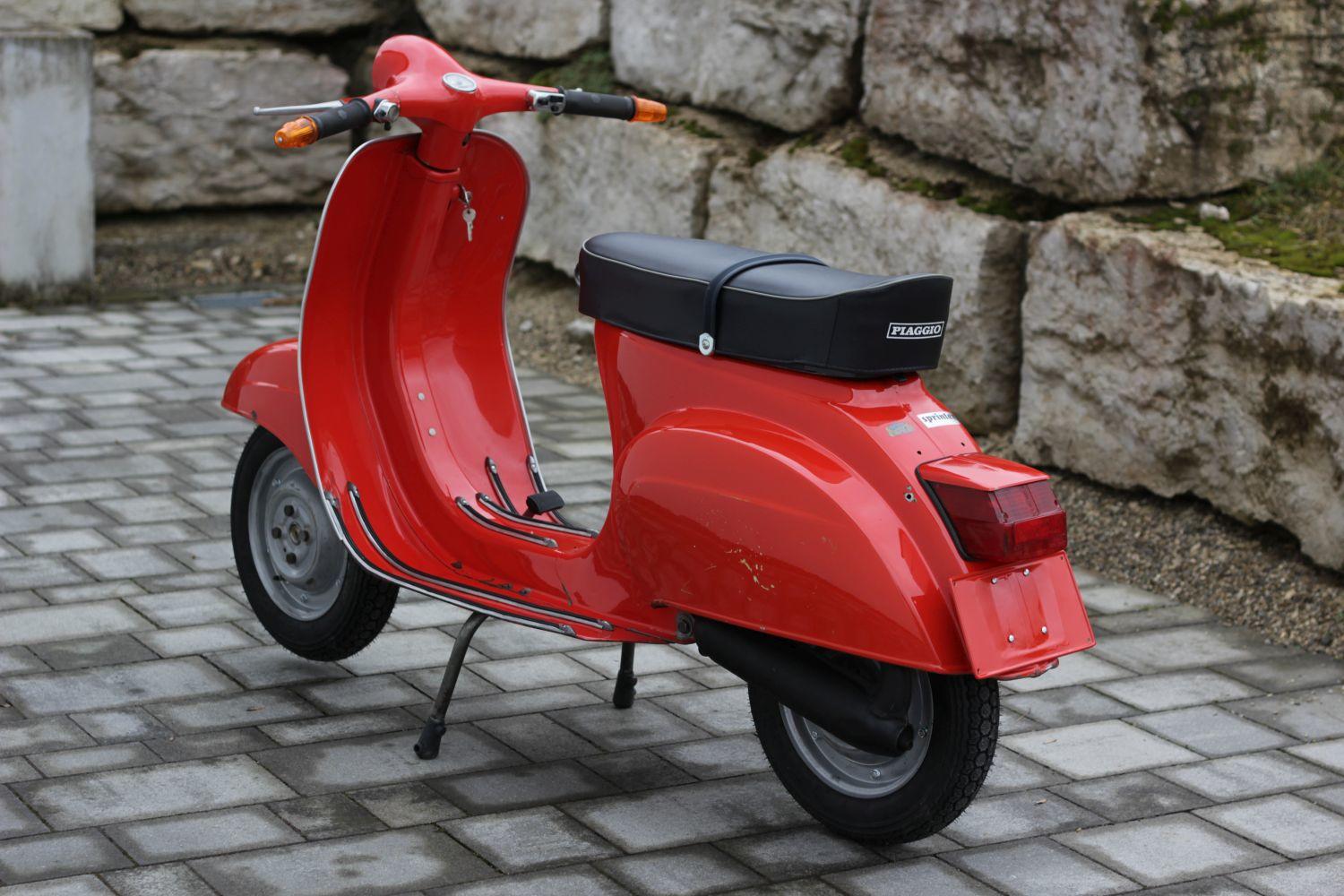
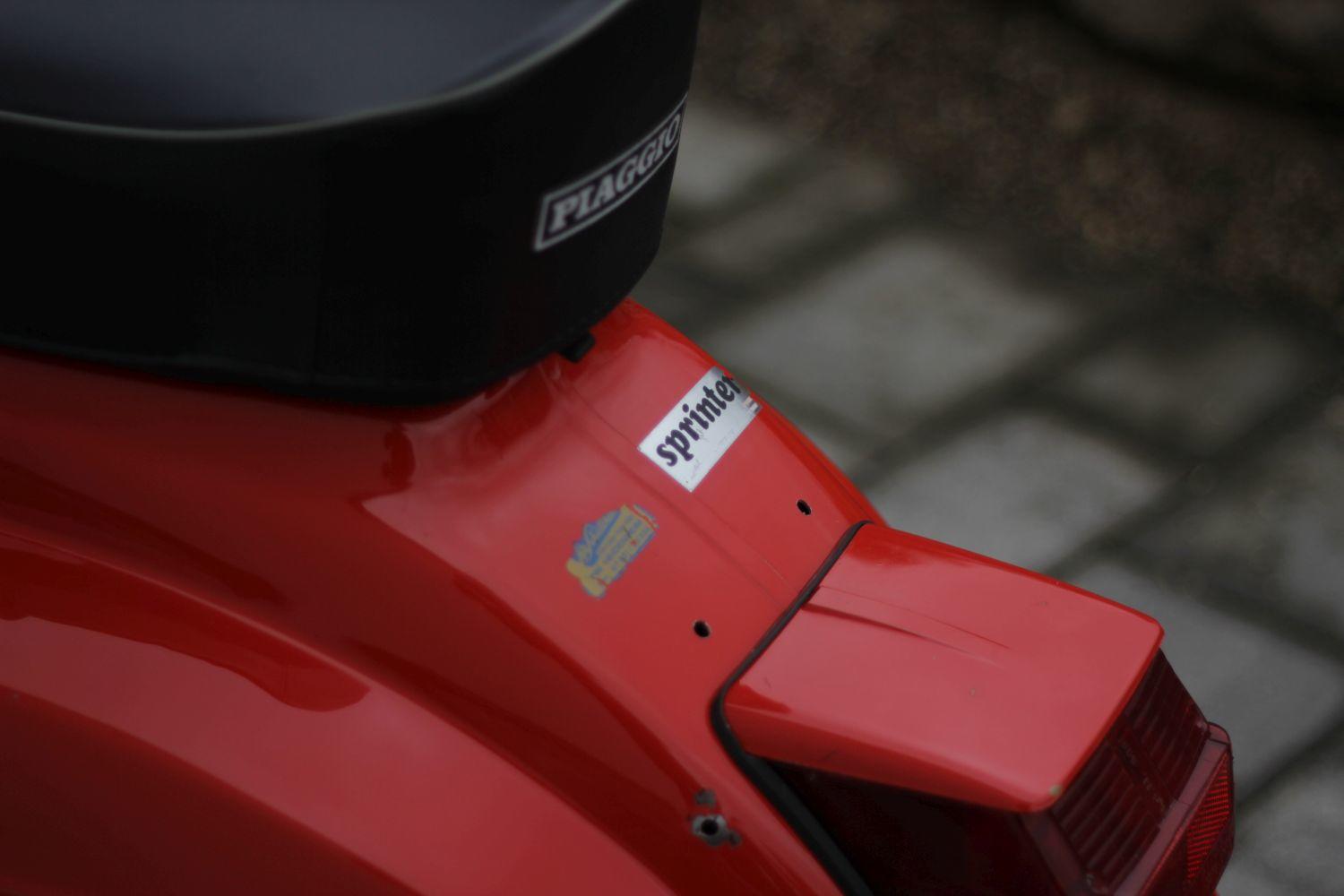
The 50 Sprinter above features a larger rear light from the 200 Rally, with the lid painted the body colour. This was a specific production change for Germany.
The 50 Sprinter was succeeded by the 50 SR which featured the 50 Special horncast and a Primavera headset, like the 90 Racer. It had a Rally tail light, bar end indicators and returned to the cast aluminium brake drums. This was the fastest 50cc smallframe ever sold, featuring a 3 port Gilardoni aluminium cylinder with high-compression head. This had 4.5 bhp and a top speed of 73km/h.
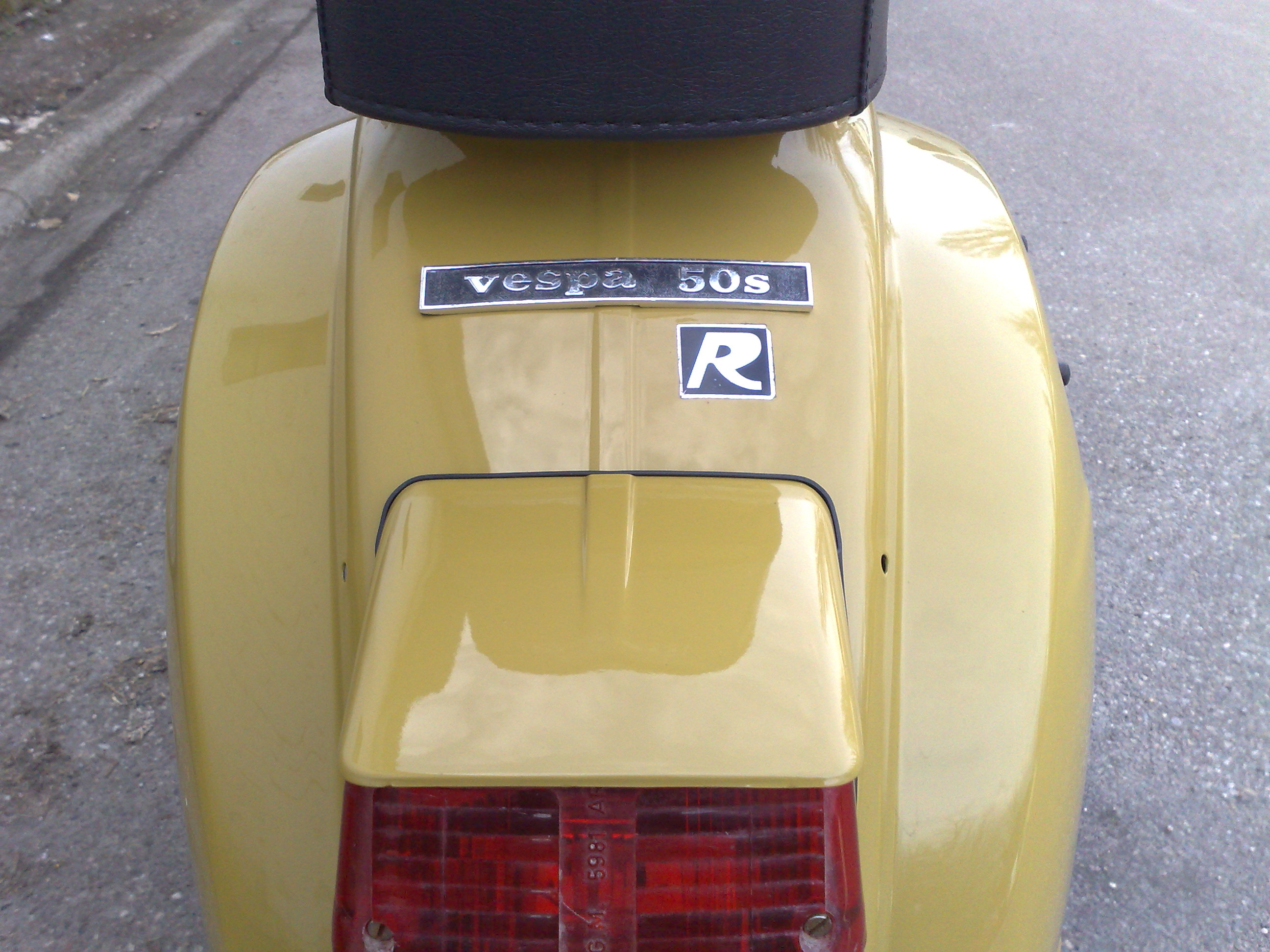
Its rear badging, revealing it's parts-bin origins, consisted of the cast "Vespa 50s" plaque from the later 50 S model, and a small silver "R" sticker below that, on the right of the seam. This came straight from the 50 R.